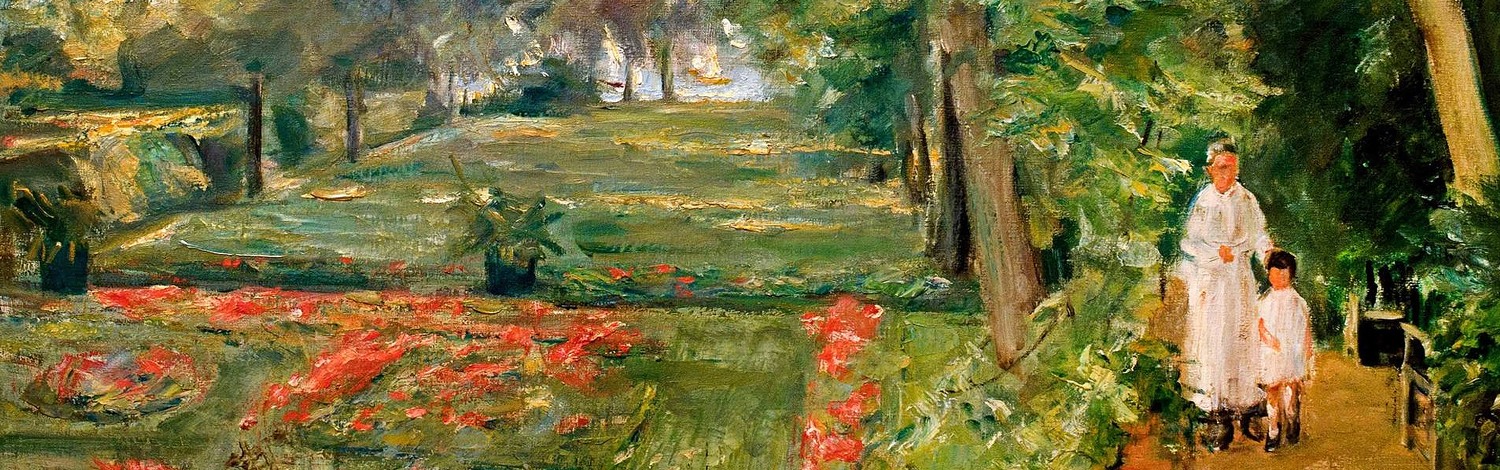
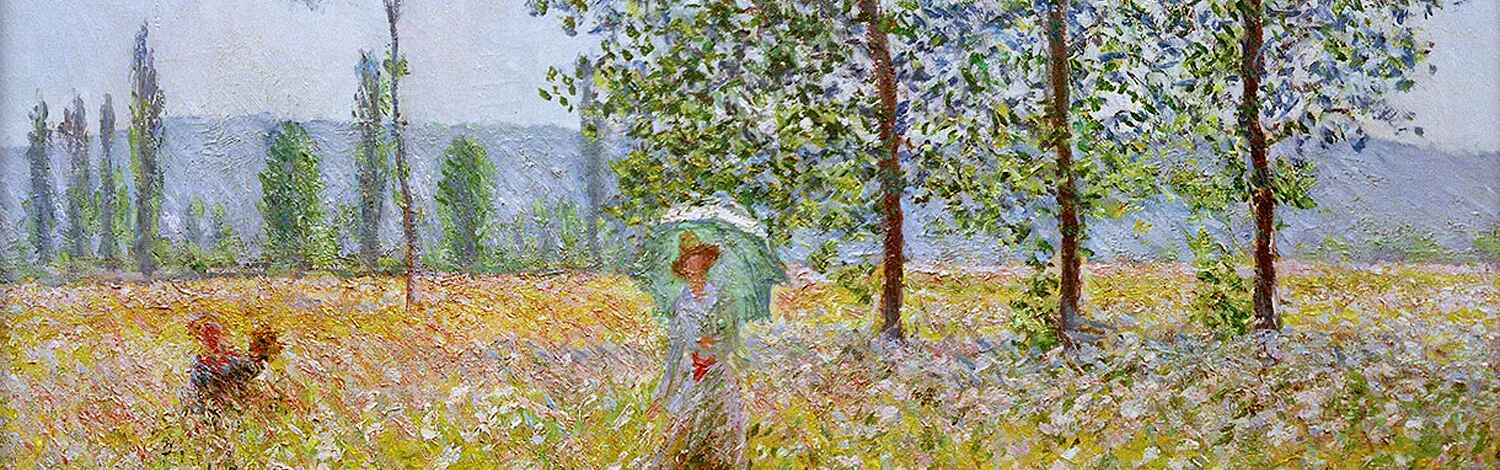
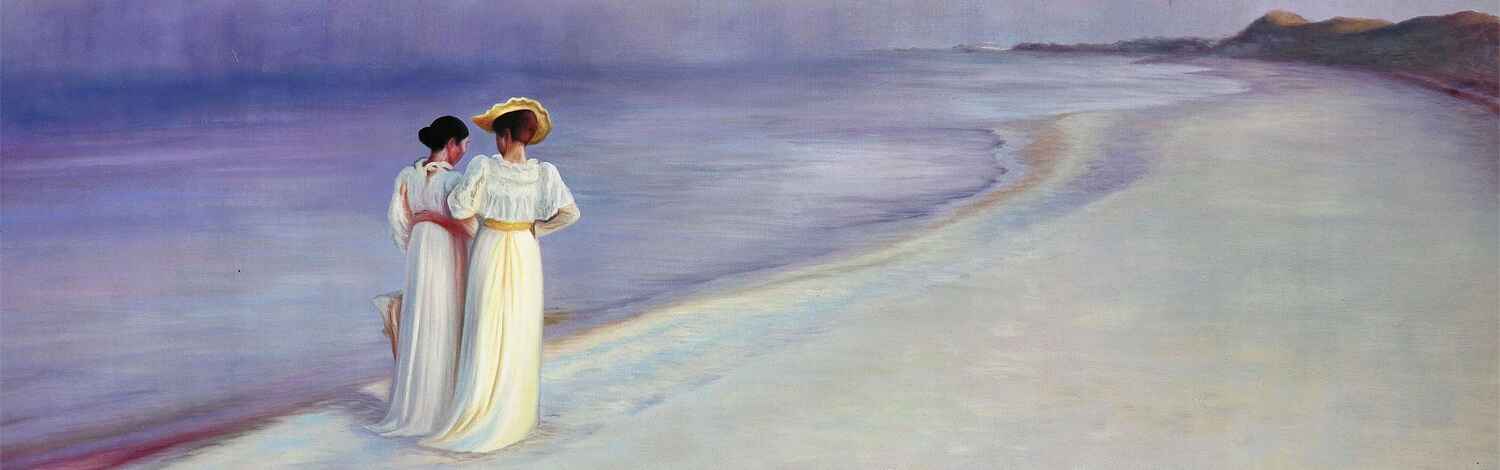
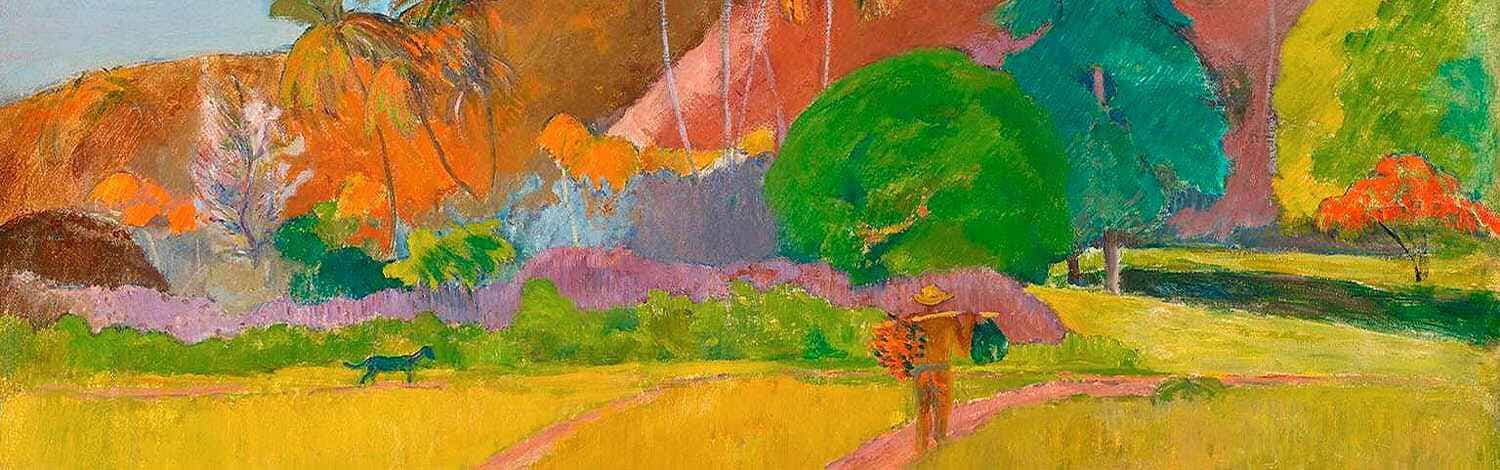

Here, we share with you the introductory preface from the manual for you to discover a little bit about us and how our adventure into creating replica paintings started.
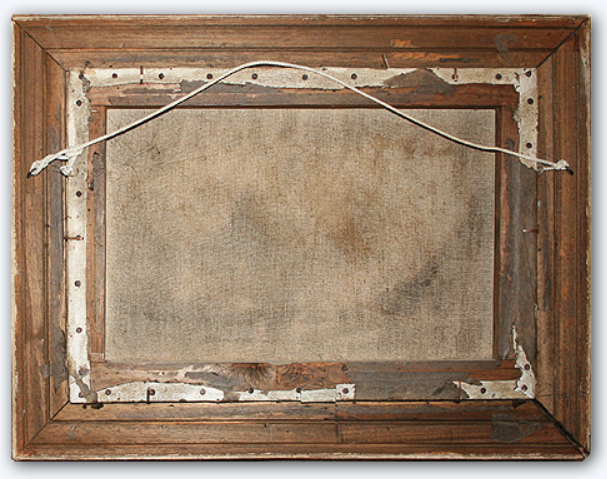
Our adventures into picture replication started, quite accidentally, some years ago when setting up home in a 15th Century English farmhouse. At that time, I often visited local auctions that provided a source of inexpensive period furniture and paintings. On one such visit, I came across a job lot of miscellaneous pictures. Amongst them, a grubby looking picture in an antique gilded frame caught my eye. It was a picture of a horse, one of my passions, and looked vaguely familiar. I picked it up and gave it a closer look. The back of the canvas was a dirty grey and it was mounted on a coarsely made simple wooden stretcher. The frame in turn was secured to the stretcher with rusty protuberant nails. The picture itself could just be seen through a layer of what looked like dark brown varnish, beneath years of grime.
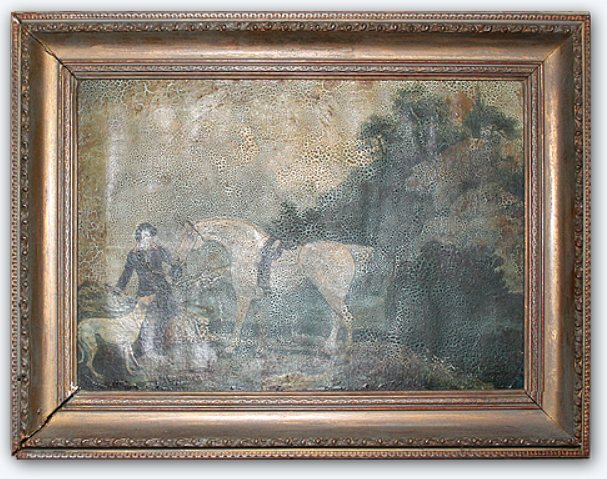
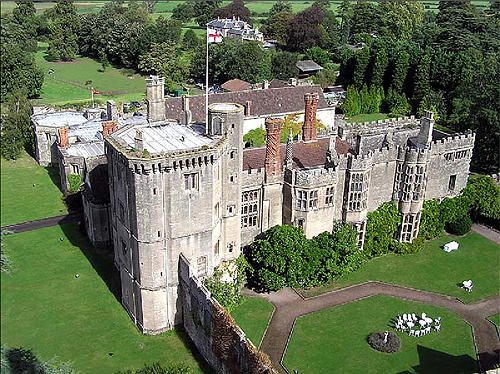
I bought the picture, along with the job lot, with a view to getting it restored. A few weeks later, I took it to a local picture restorer for his opinion. He advised me that it was a section from a picture originally produced by the 18th century English painter of horses, George Stubbs. He remarked that Queen Elizabeth II was an admirer of his work and that she had a number of his paintings. This restorer was known to be an expert and, amongst other things, had worked on the restoration of old master paintings at Thornbury Castle, formerly owned by Henry VIII.
His inspection passed from the picture to me. After a brief pause he added "It's very good … probably produced a couple of years ago in the Far East". He explained that the aged look was probably achieved with varnish and the help of a hot oven. I was none the less pleased with my art print masterpiece. I liked the subject matter and it did have a certain presence and so I took it home and returned it to its place in the dinning room.
"The Stubbs" as it became known, was often the topic of dinner party conversations - long after the initial intrigue had faded. Over the following years, the picture enjoyed the occasional admiration of a new viewer. One of these admirers, a professional artist, immediately recognised the subject matter as well as the artist and doubtfully enquired if it was the real thing. Quoting the initial opinion of the picture restorer, I told her the whole story.
After studying the picture for a while, she said, "I think that we could do better than that". And so, that's how it all started. We developed our own technique from scratch, and did do so much better. So much so that I was to repeat those words some years later after friends and colleagues started requesting commissions.
Travelling extensively in the course of my work in the space business, I often used my spare time to promote our growing replica painting business. One afternoon, walking through an elegant European city street, I decided to check-out some prospective art galleries and exclusve shops. With a small replica wrapped beneath my arm, I walked into a gallery where there was some second rate, canvas reproductions on the wall for sale. My apparent interest in these pictures was observed by the owner who approached me enquiring if he could help. With an eye on his pictures, I simply said, "We can do better than that". Of course, I had thrown down the gauntlet and had his attention. I was immediately in a position to back-up my claim with his 'show me' enquiry. I carefully unfolded the canvas and handed him my replica. He carried it toward the window for a careful inspection. Within a few minutes, we got down to business. That is how we first started in Europe. What began as a hobby became an enjoyable business and a home packed with replicas of our favorite paintings.
When art and science come together, some amazing things can happen - including a simple new way of creating replica paintings that can't fail to impress.
Afterword
‘The Stubbs’ is a lesser known original and was painted by George Stubbs around 1762 - 4. The painting is called ‘Grey Hunter with a
Groom and a Greyhound at Creswell Crags’. The painting is from the collection of Tate Britain, London and was purchased in 1895. At
the time of writing, the painting is not on display.