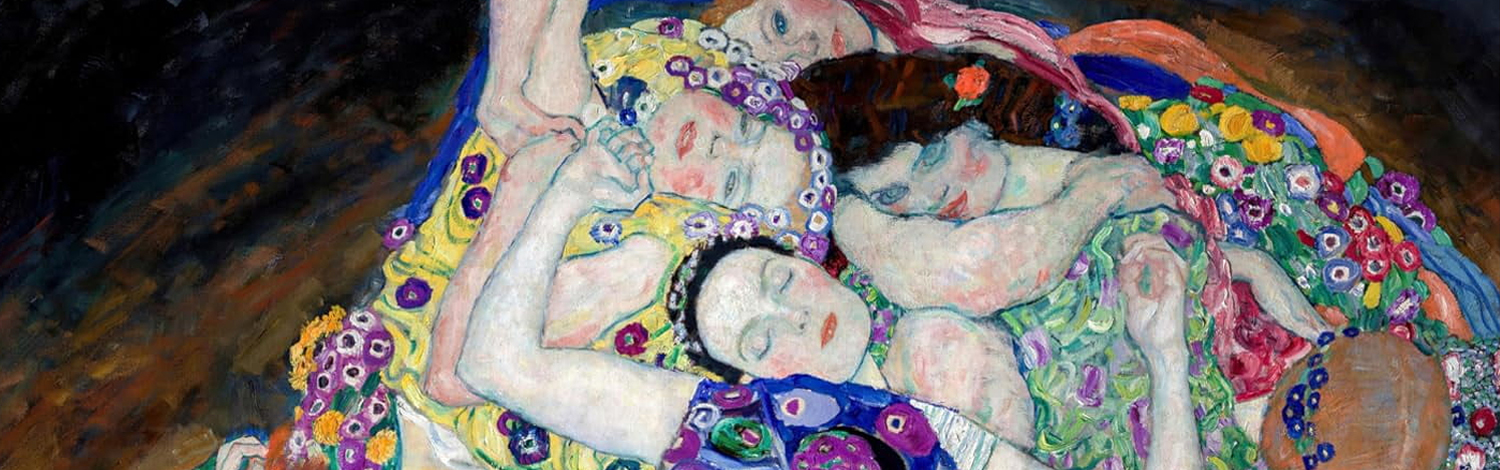
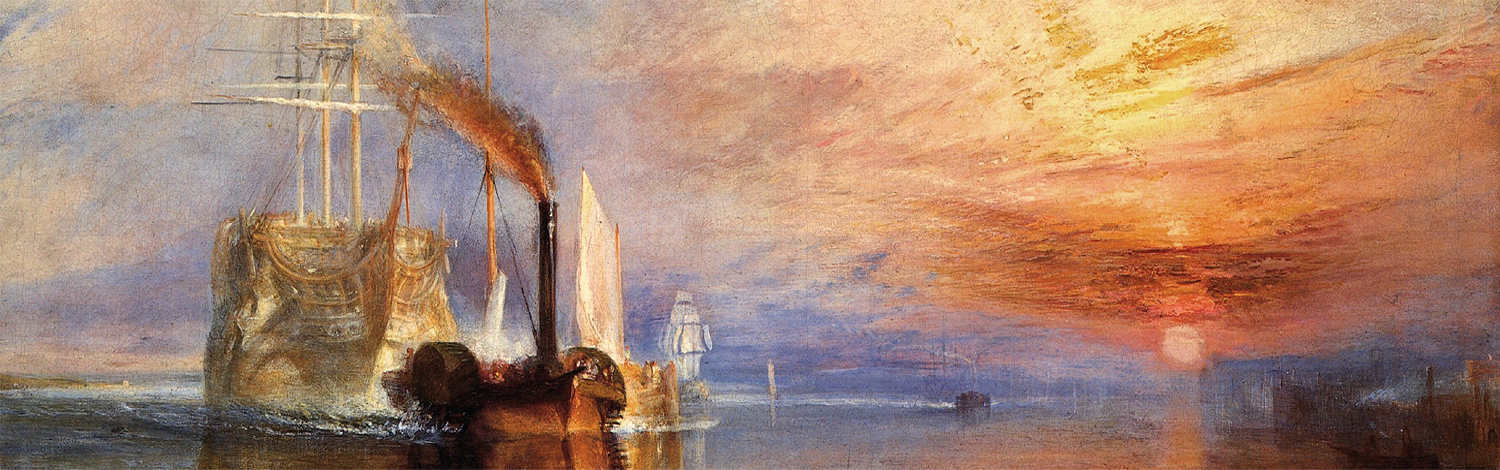
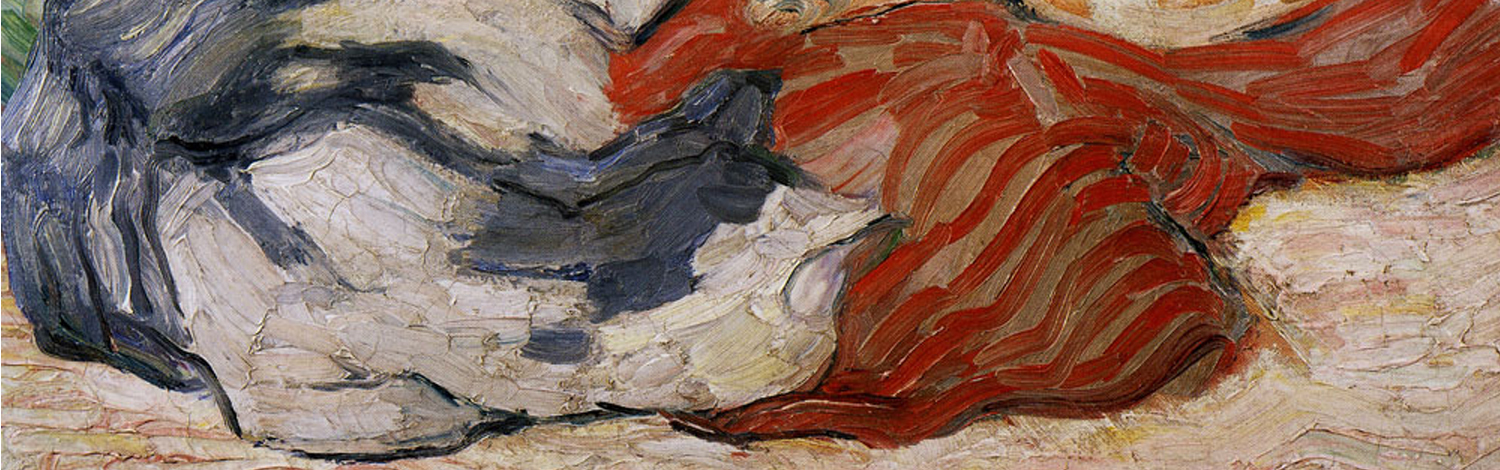
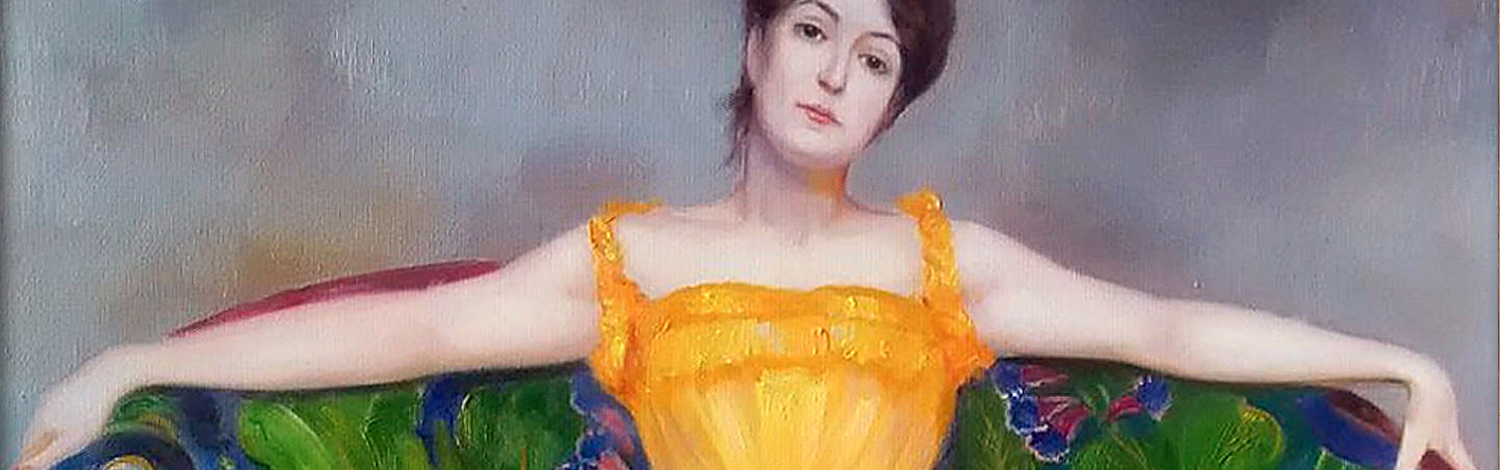
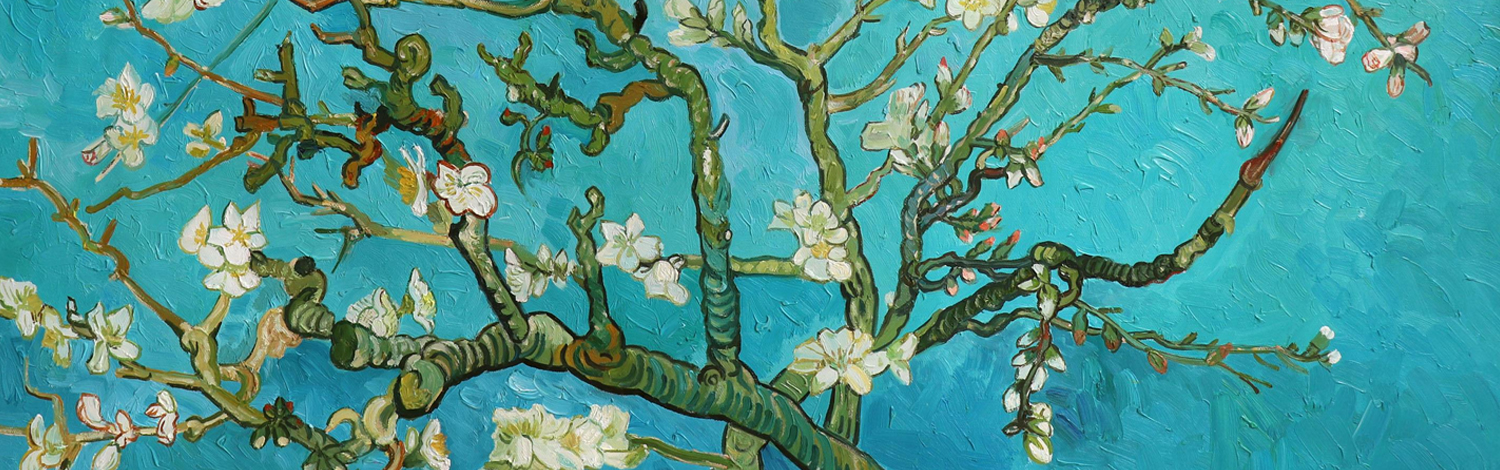
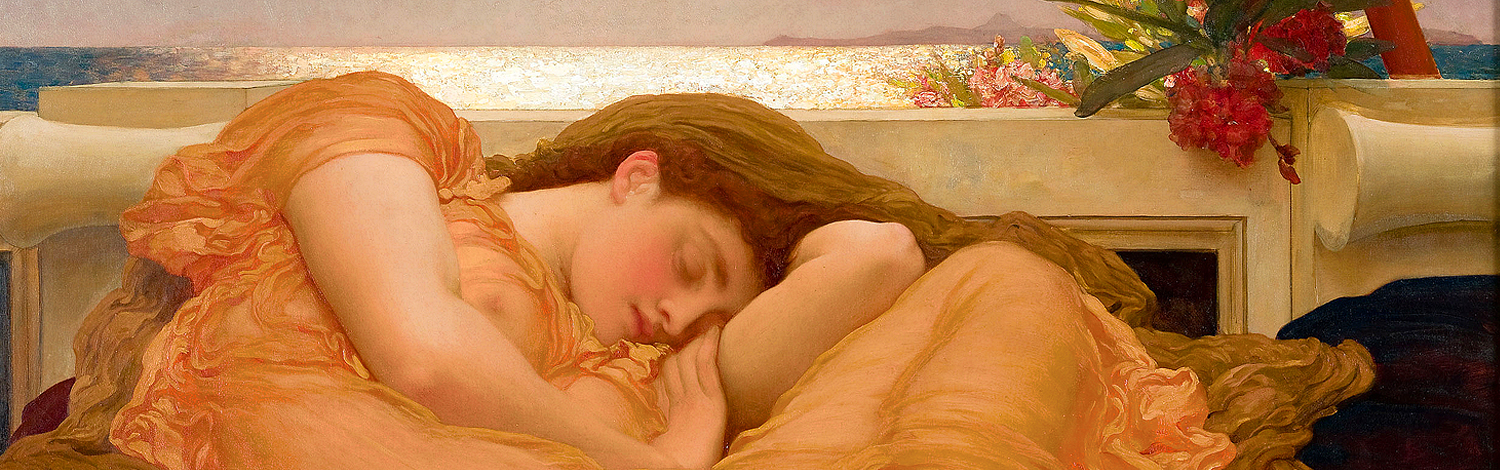
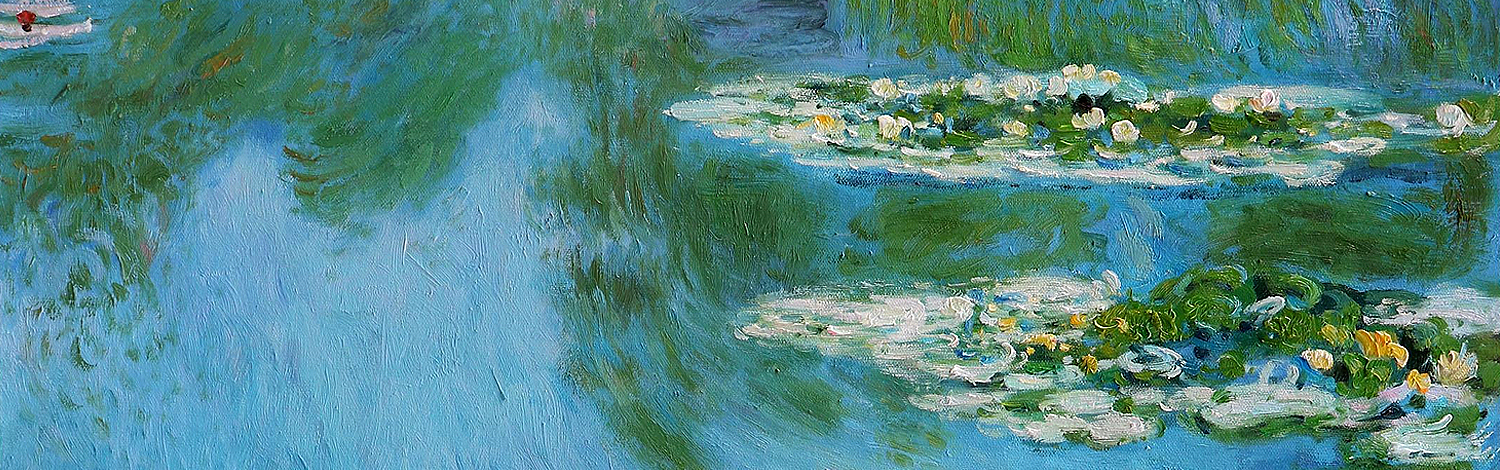
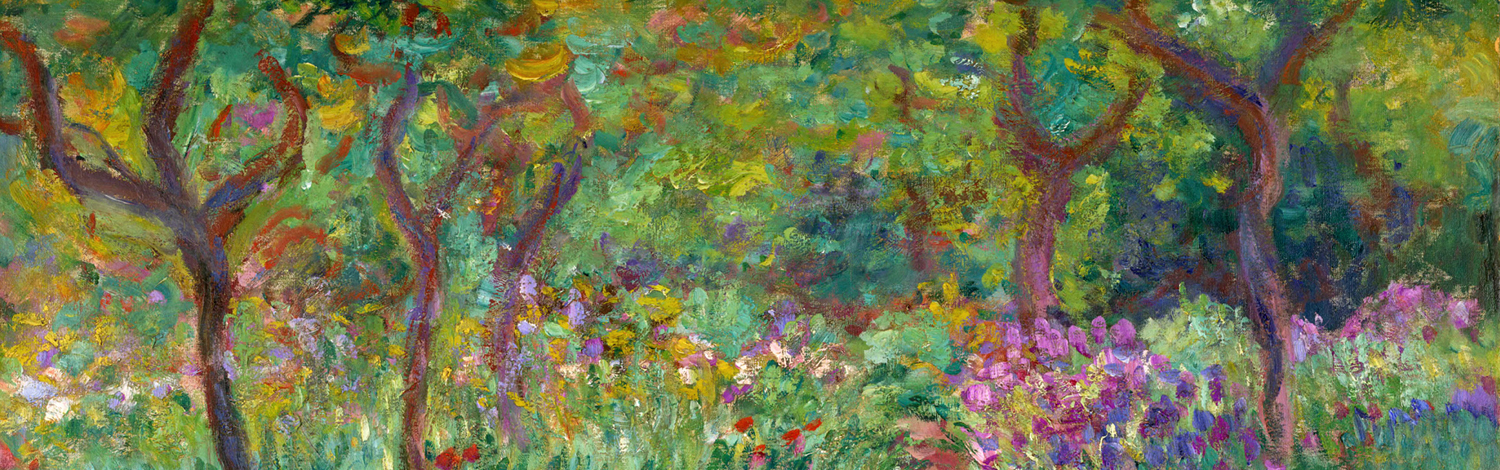
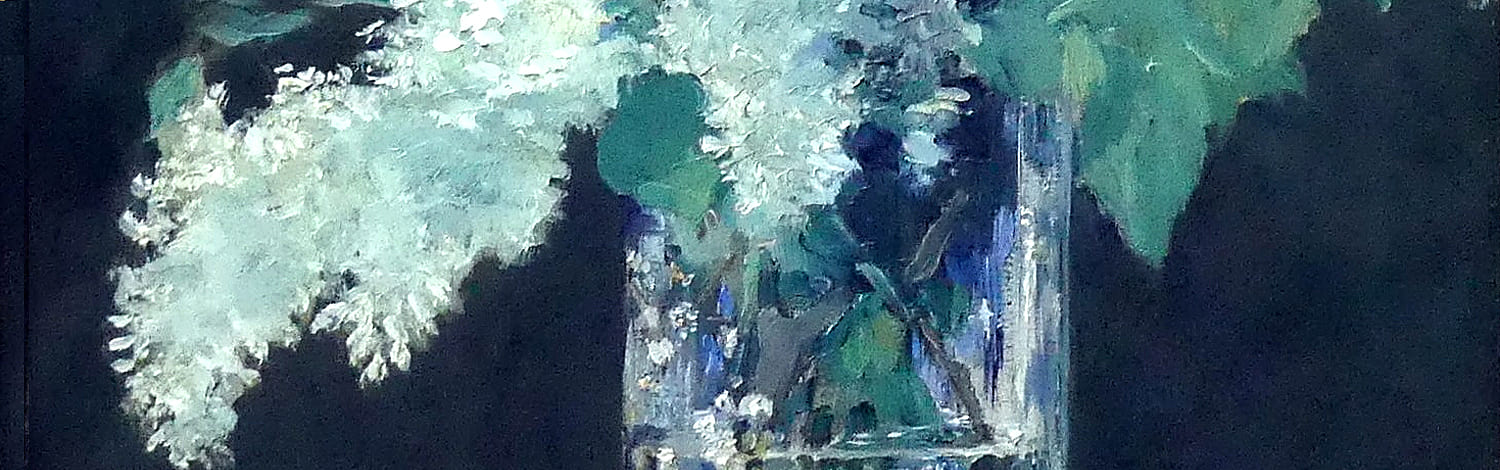
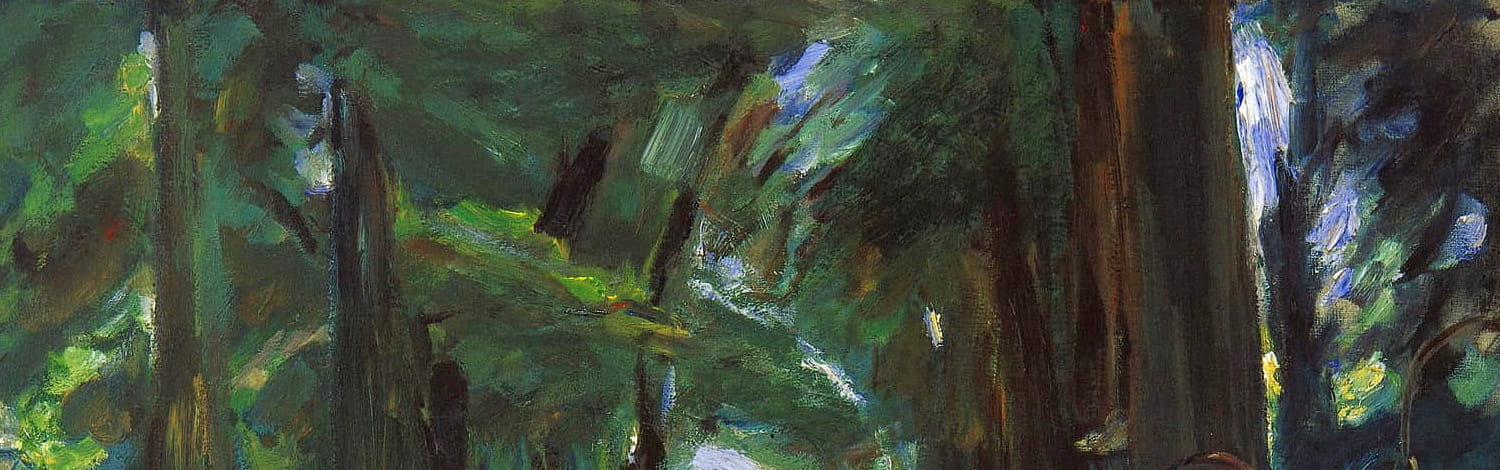
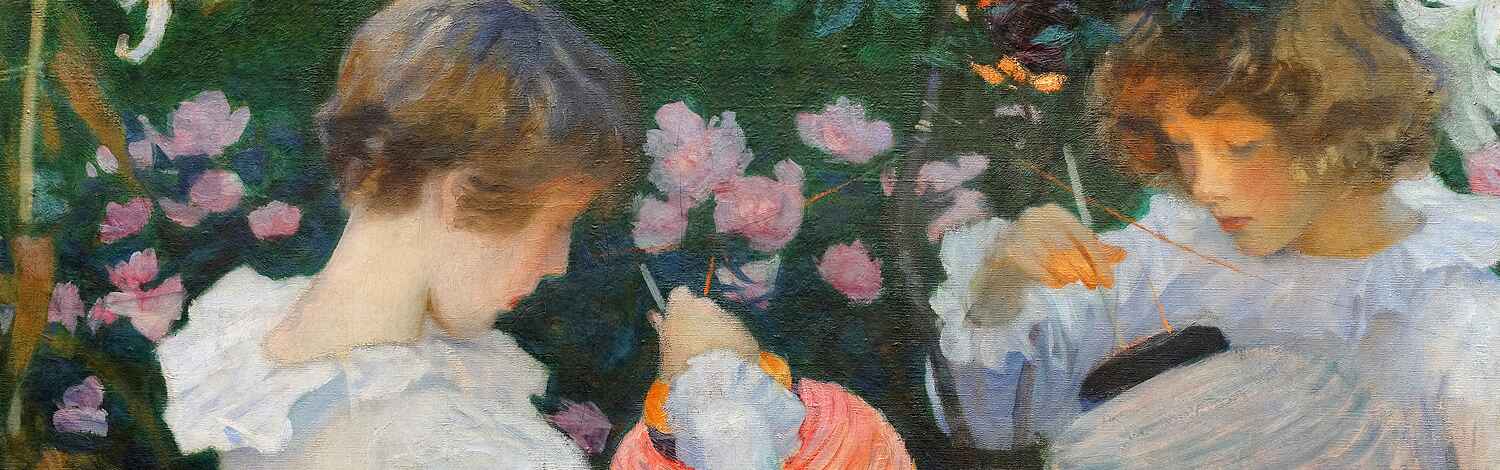
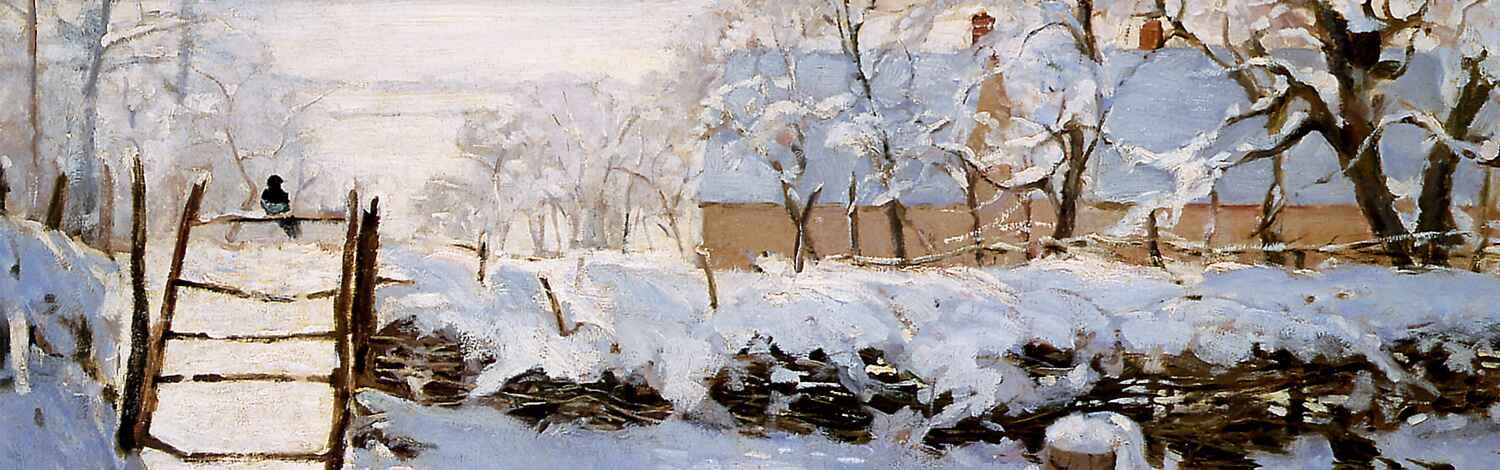

The Art Print Masterpiece manual enables the creation and ownership of affordable high end painting reproductions that can't fail to impress. Creating your own painting reproductions can be a lot easier than you ever imagined with the new techniques given in this step-by-step manual.
If you appreciate and enjoy the works of great artists, then you may prefer more than just a two-dimensional art print encapsulated behind reflective glass, or a flat canvas print.
An art print does however convey the detail, clarity and colour accuracy of the original oil painting. Thanks to today's advanced photographic and printing techniques, the humble art print has become an important ingredient toward creating convincing replicas of original paintings.
With the aid of an art print, the fundamental steps in creating a replica painting are:
As art continues to evolve, all of the above steps demand the use of the human hand, which remains an essential element that breathes life into the reproductions created using The Art Print Masterpiece.
The Art Print Masterpiece uses the essential ingredients for creating replica painting reproductions that closely match original paintings, as shown in the table below:
| Ingredients | Original Painting |
Art Print Masterpiece |
Canvas |
Art Print |
|---|---|---|---|---|
| Brushstrokes, Contours |
 |
|
 |
|
| Ageing, Craquelure |
|
|
|
|
| One of a Kind | |
|
|
|
| Human Hand | |
|
|
|
| Artist Canvas | |
|
|
|
| No Glass | |
|
|
|
| Colour | |
|
|
|
| Composition | |
|
|
|
Ingredients: Original Painting - versus - Reproductions
A so called 'canvas transfer' is a popular technique used for transferring an art print image onto a canvas surface using an adhesive medium. However, the popular methods currently used do have their downsides for the following reasons:
First, an adhesive is applied to the image surface. Then, the image is placed face down onto the canvas and flattened. After the artwork has dried, water is used to rub away the paper backing to reveal the back of the image.
As you may imagine, with this method, light has to pass through the back of the image. The print image is not only degraded but seen back-to-front. The result is unconvincing and far away from the original.
Another canvas transfer method is to spray on, or apply a plastic coating to the print image to strengthen it before separating it from the print backing paper. Such processes add an unnecessary plastic layer, through which light must pass, causing loss of colour and definition from the image beneath. They degrade the image and do nothing to add to the beauty or feeling of the original. The resulting canvas transfer, or painting reproduction, can look "plasticy", cloudy, artificial or unconvincing.
Another painting reproduction technique, is to print directly onto canvas. Canvas prints have been a popular way of reproducing original paintings since the 1990's. This method has evolved using modern technologies, high resolution photography, giclee printing and archival inks and materials. Canvas prints are no doubt versatile, affordable, durable and are a poplar choice for wall art. However, a canvas print is basically a flat machine produced printed fabric that lacks the rich texture, depth and character conveyed from the artist's brushstrokes.
Canvas prints can look artificial and unconvincing since the ink layer is not only even all over, but has the same thickness in the peaks and troughs of the canvas weave. Real artist paint has texture, it tends to be thicker in the troughs and thinner on the peaks resulting in a type of depth expected of original paintings.
Artist paint is much thicker than printing ink. A single layer of pigment printing ink on canvas is about 10 micrometers. A single layer of oil or acrylic paint on canvas starts from around 0.1 to 0.5 millimeters and upwards. So, real paint is about 10 to 50 times thicker than printing ink and unlike printing ink, its thickness will vary over the entire canvas, as would be expected of an original, or replica painting.
The Art Print Masterpiece reveals a novel technique for separating the image from an art print, and for transferring and embedding it onto artists canvas. During this step, nothing is done that may degrade the image - so you won't need any special equipment or chemicals.
Because the image layer alone is very fragile and delicate, the technique assures that it is protected from the start of separation until it is safely attached to the canvas, so you'll never have to worry about tearing, or damaging it until it is safely secured.
The removed image layer is malleable and about the same thickness as a layer of artist paint. A simple embedding technique enables the image to flow into the canvas, just like paint, allowing you to easily vary the amount of visible canvas texture, as required.
After the image has been embedded into the canvas, you'll be seeing the pure, unadulterated pigment ink of the original art print to assure the highest possible clarity of colour and definition. The canvas weave will show through the image just like paint on canvas.
After this first step, your canvas will take on a presence and already have the look and feel of an original painting. This will be your first step in the creation of a unique, one-of-a kind painting reproduction with the look and feel of an original. If brushwork and ageing effects are not required, your canvas replica can be completed with a thin coat or two of UV varnish protection.
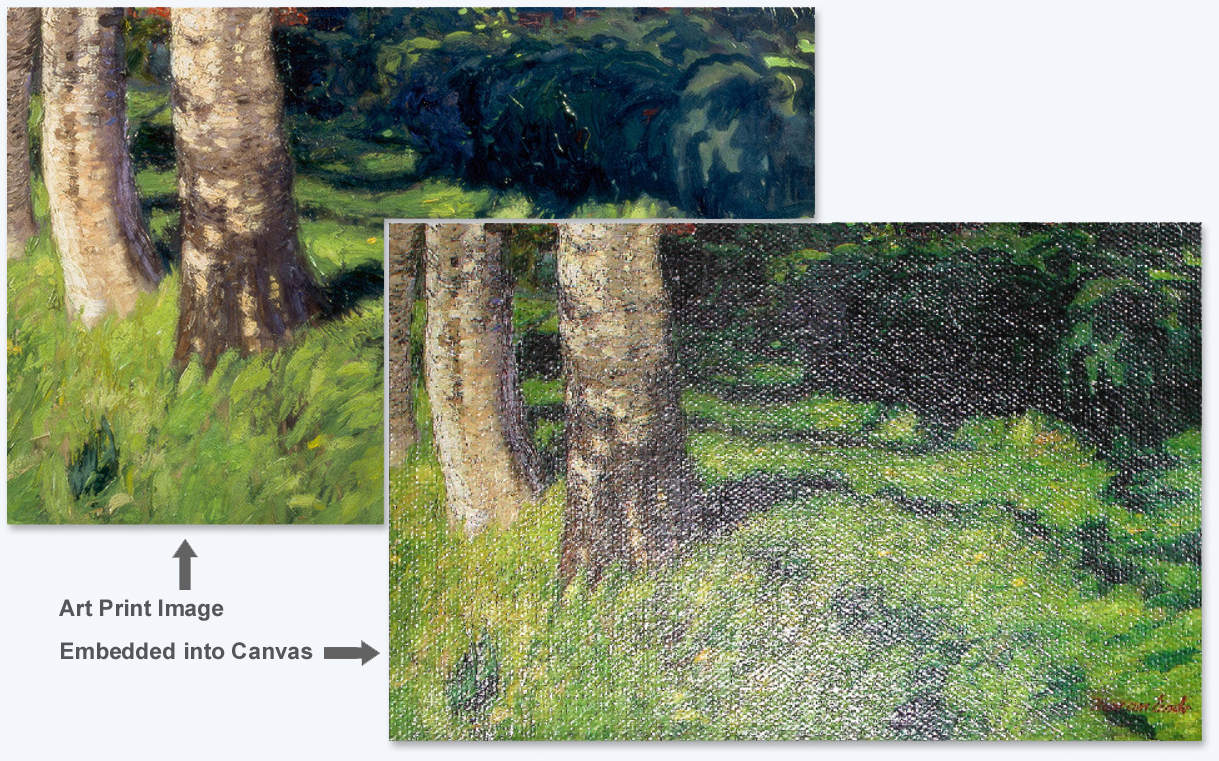
Section of an Art print before and after being embedded into canvas
After the image has been embedded into the canvas, the resulting artwork becomes a foundation upon which brushwork and / or ageing effects may be added. The Art Print Masterpiece will show you how to easily replicate these features convincingly and to the finest detail.
Brushwork is added to the image using a 'transparent paint' that dries clear. This is the same as artist's paint, but without the pigment. Using the transparent paint, brushwork and texture is simply achieved by following the brushstrokes of the original artist shown on the print image. Colour from the image is seen from the surface of the brushwork, just like artists paint.
Reflected light brings into play the three dimensional contours of brushstrokes, their peaks, highlights and shadows. The canvas becomes dynamic as the picture is viewed from different perspectives. The picture now comes to life with the look and feel of an original painting.
The brushwork techniques, mediums and brushes used are explained in the manual. Clickable links in the manual will connect you with an exclusive reader zone which provides the sources of online materials supply and prices in both the US and UK
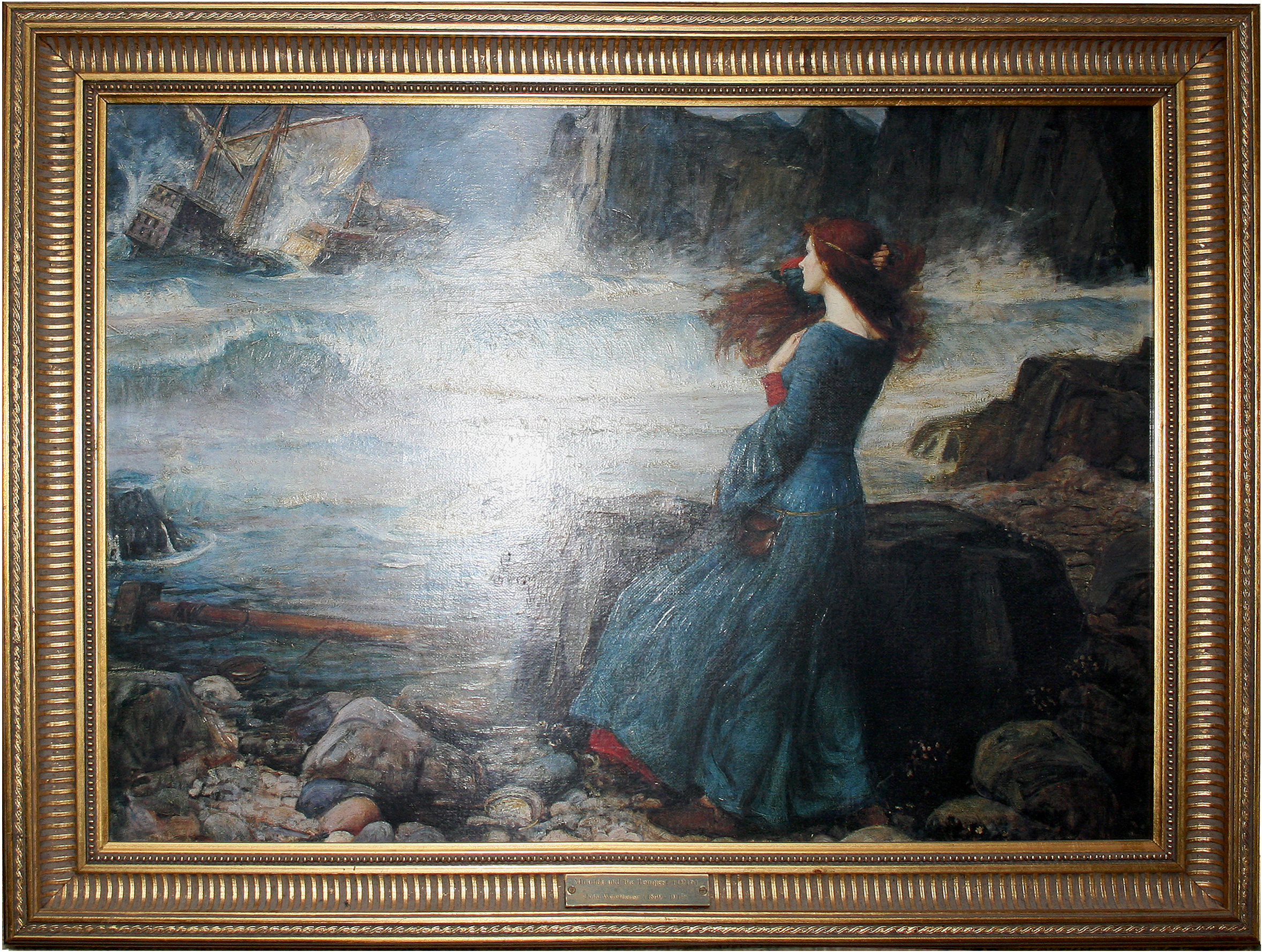
Use your mouse, or tap the magnifier, to see the brushwork detail
Where appropriate to the original painting, bold raised brushstrokes add an extra dimension of realism that is obvious at a distance.
Fine brushwork is used when the brushstroke width is barely perceptible and especially for very fine detail work. Knowing how to achieve fine brushwork is mandatory for many old masters, and to maintain integrity under close examination. Unfortunately, many commercially produced painting reproductions and canvas replicas will not stand up to close scrutiny since the detail is simply not there... and the devil lies in the detail.
Knowing how to emulate fine brushwork is especially useful when the art print is much smaller than the original painting.
The Art Print Masterpiece will show you how to accurately replicate the finest detailed brushstrokes for such items as blades of grass, the tracery of branches, ropes, rigging, hair etc. Fine brushwork can also be effective at elevating an otherwise flat canvas.
Unlike a modern or newly restored painting, some old master paintings will tend to have gathered a patina of age over the course of time. Other old paintings may show a network of random hairline cracks in some areas of the paint surface. The Art Print Masterpiece explains how to achieve these, and other, ageing effects that can emulate a high degree of authenticity.
Making it your own. The images below are sections from The Fisherman and the Syren, painted by Frederic Leighton. On the left is the original art print. On the right the image has been artificially aged with craquelure medium.
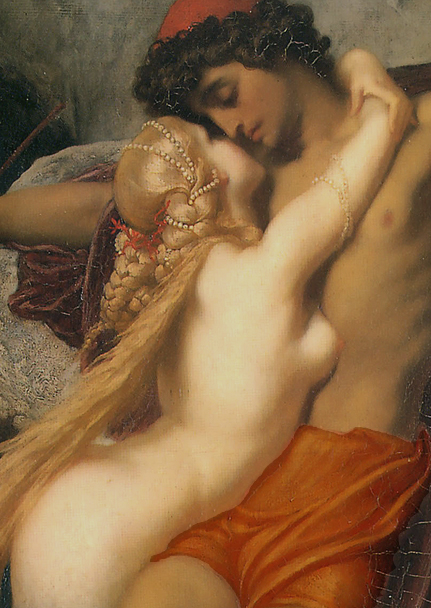
Original
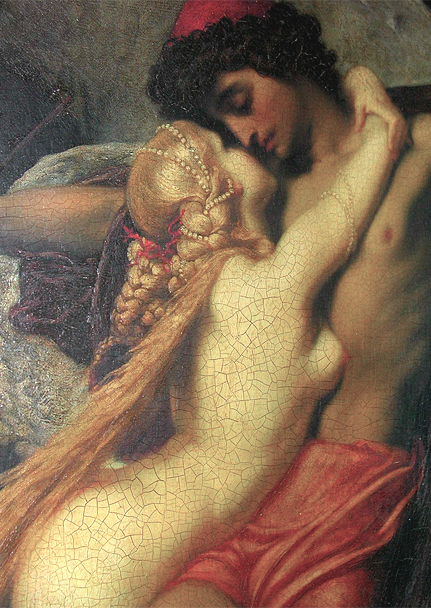
Artificially aged with Craquelure medium
Varnishing is a final step in creating a canvas replica. Using the correct artists varnish will tend to brighten the colours and enhance the brushwork with a transparent depth and richness.
Varnish protects the brushwork and image from dust and grime. It also adds ultra violet light protection to prevent fading. Since the picture is protected with varnish, it can be displayed without glass, in the traditional manner of an original oil painting.
The techniques and materials recommend in The Art Print Masterpiece have been used for creating canvas replicas and reproduction paintings that have proven to be robust and stable over many years. Sample reproductions have been tested under extremes of temperature, and humidity without any degradation.
The techniques are designed to work with art prints, fine art prints and giclee prints that typically use pigment inks and archieval materials. With proper care, replica painting reproductions created using The Art Print Masterpiece can last for 100 year, or more.
All materials used are very compatible with each other creating strong, yet flexible bonds. This is important if you intend stretching a completed canvas transfer in preparation for picture framing or, if you intend selling your work by post. In this case, the canvas is usually rolled and shipped in a postal tube and the customer arranges to have their canvas stretched and framed
The Art Print Masterpiece is a complete manual that will show you everything you need to know for producing top class canvas transfers, enhanced canvas transfers, canvas replicas, replica oil paintings and framed reproduction paintings. You'll find step-by-step instructions, hint and tips, illustrated examples to help you, materials and suppliers list, replication secrets, and information that is not available elsewhere.
When your canvas is completed, you may want to have it stretched over wooden stretcher bars, or you can discover how to stretch your own canvas.
Stretching canvas is a knack that can be quickly learned with The Art Print Masterpiece. You'll find step-by-step instructions and illustrations every step of the way, as well as hints and tips to make the job easier.
After your canvas has been stretched, it will be ready for framing, or you can display it without a frame, known as museum wrap.
If you plan to create a number of replica paintings, then you will certainly save by stretching your own canvas. You'll also acquire a further skill that you can offer to your customers.
|
|
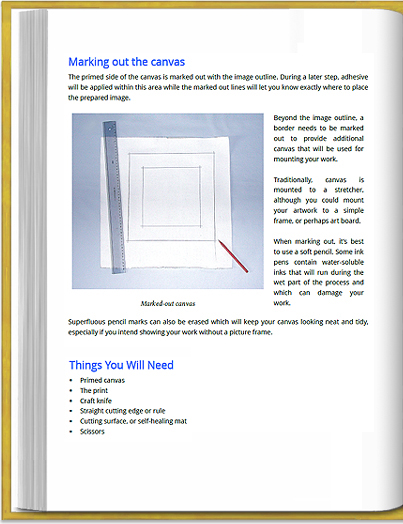
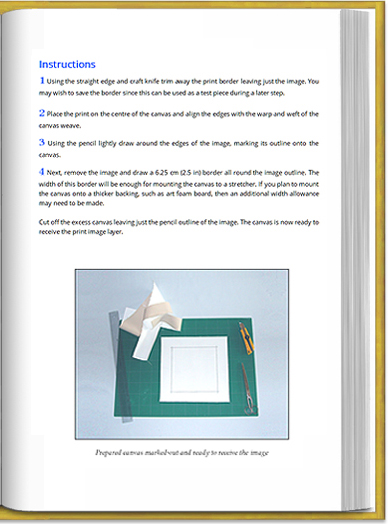
Click on a page to see a sample book page
Like stretching canvas, picture framing is a skill that is well worth learning, especially if you plan to create a number of replica paintings.
The manual provides step-by-step instructions and illustrations, every step of the way and explains, how to cut accurate mitre joints and moulding lengths, through to assembling the frame, fitting the stretched canvas and adding frame attachments.
To complete the picture, you will even discover how to make professional looking picture nameplates using your black and white printer and readily available materials. You'll be surprised at how easy it is to transfer printed lettering to materials such as brass, plastic and wood.
Using new techniques and simple tools, The Art Print Masterpiece will show you how to easily create replica paintings that look just like originals. You'll find illustrated step-by-step instructions and lots of hints and tips to help assure your success. If you're serious about wanting to create high grade replica paintings, then this best-selling manual is for you.
The Art Print Masterpiece is available as an interactive PDF eBook that can be quickly delivered to your computer. You're allowed to make a copy for your laptop, providing it is for your personal use only, and you can easily print out a hard copy of the book for yourself. You will also receive free support should you encounter any difficulties with the techniques.
"Anyone can make the simple complicated. Creativity is making the complicated simple." – Charles Mingus